
Almost nobody had their surname changed on the island: the story told at your family table probably started elsewhere.
Why so many families have an Ellis Island ancestor
Between 1892 and 1954 about 12 million immigrants were processed at Ellis Island. By one estimate, a large share of Americans descend from them. Not everyone stayed, though: many moved on to other cities, others went home or arrived through different ports.
Before you search, confirm that your ancestor really entered through New York within those dates. Before 1892, for example, other port facilities handled arrivals. To place yourself in the island's story, read Ellis Island: what to see.
Start at home: what you need before searching
Databases reward people who arrive with information. Gather the full name and its spelling variants, an approximate birth date, the place of origin, the approximate year of arrival and the name of a relative they traveled with or were going to meet.
Talk to the older members of your family and look through naturalization papers, certificates, letters and old photos. Also note how the surname was written in the original language, because passenger lists were drawn up at the port of departure and may show a different spelling from the one later used in the United States.
Passenger lists and free databases
The main record is the ship passenger lists, compiled when people boarded. The foundation that looks after the monument runs an immigrant database that is free to use on its own website, searchable by name, year and place of origin. Check that page for its coverage and how the current search works.
If your ancestor does not appear at first, try variants: surnames with and without accents, translated first names, abbreviations, phonetic spellings and transcription errors. Widening the date range or searching for relatives who traveled together also helps.
The myth of the changed surnames
It is one of the most repeated stories: that island officials changed difficult surnames. What we know with confidence is that the lists were written at the port of origin, before the voyage, and that at inspection each person was checked against them. Many names were altered later, when families themselves adapted them to fit in.
That does not mean there were no errors: transcriptions, handwriting misreadings and varied spellings exist. But the image of an inspector renaming people in line is not a reliable explanation. If your family tells it, treat it as an anecdote worth checking against documents.

The Wall of Honor and visiting the museum
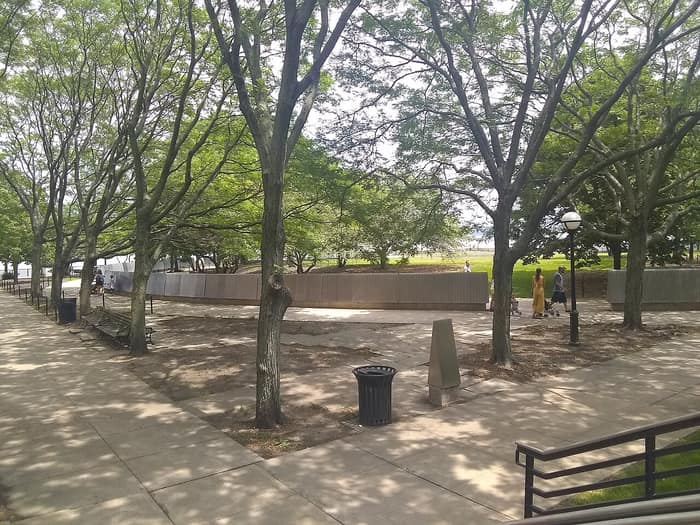
On the north side of the island stands the Wall of Honor, with names of immigrants and their families. It is a tribute, not an official record of arrivals, so it serves more to commemorate than to research, though it may give you leads or a way to honor your own ancestor.
Visiting the museum, the Great Hall and the exhibits helps you understand the journey your family made: how long the wait was, what the medical exam involved and what destination lay beyond. For the hospital and the lesser-known side, see The abandoned Ellis Island hospital: hard hat tour; to plan the trip, How to visit the Statue of Liberty.
Sensible advice to avoid frustration
Always cross-check facts against more than one source and be wary of other people's family trees that cite no documents. Take the search slowly: there may be gaps, misread names and records that simply did not survive.
Protect your privacy when using paid or third-party sites, and always check current terms and costs before subscribing to anything. If you ever go to New York, carrying the ship's name and arrival date makes the visit far more personal.
Tours to visit Ellis Island and follow your family's footsteps
If you are visiting the island with your ancestors in mind, choose an option that leaves enough time in the museum. Compare duration, guide and departure point before booking.

Statue of Liberty & Ellis Island Tour with Reserved Ferry Entry
Check availability
Statue of Liberty and Ellis Island Guided Tour with Ferry
Check availability
Private Statue of Liberty and Ellis Island Tour
Check availability
Statue of Liberty Tour with Ellis Island and Immigration Museum
Check availability
Hard Hat Tour of the Abandoned Ellis Island Hospital Complex
Check availability
Statue of Liberty, Ellis Island, and 9/11 Memorial Guided Tour
Check availabilityTour titles and descriptions appear as on the booking platform. No tour guarantees a ticket or a specific experience.
See more tours and activities on GetYourGuide →Frequently asked questions
How do I know if my ancestor came through Ellis Island?
Gather an approximate arrival date, name and place of origin. If they reached the Port of New York between 1892 and 1954 it is very likely, though not certain. Search the monument foundation's database and other records.
Is the database search free?
The foundation that looks after the monument offers an immigrant database that is free to use on its own website. Other platforms may charge. Always check current terms and costs before signing up.
Is it true that surnames were changed at Ellis Island?
It is a widespread myth. Lists were written at the port of departure and inspectors checked them against each person. Many surname changes happened later, when families adapted their names themselves.
What if my ancestor does not show up?
Try surname variants, translated names, transcription errors and searches by relatives. Change the date range and verify the place of origin. Sometimes they entered through another port or in a different period.
What is the Wall of Honor?
It is a monument on the north side of the island with names of immigrants and their families. It is a tribute, not an official list of arrivals, though it can be moving for anyone looking for ancestors.
Can I find the name of the ship they traveled on?
In many cases yes: passenger lists usually give the ship, the date and the port of departure. With that you can widen your search and better understand your family's journey.
Is the museum worth visiting if I am tracing ancestors?
For many descendants it is, because it helps you picture the process your family went through. Check beforehand which services and exhibits are available, as they can change.
Keep reading

The original torch of the Statue of Liberty
The flame that lit up New York Harbor for almost a century now sits behind glass, seen from below.

How to visit the Statue of Liberty
Most people see her from a distance; few know how a visit to the island really works.

Castle Clinton and Battery Park: the gateway to the Statue
Long before Ellis Island, millions of newcomers first set foot in America on this very spot.

Governors Island: the quiet island off Manhattan
An island that served as a military post for nearly two centuries is now New York's backyard.
Sources
Facts taken from Wikipedia and the U.S. National Park Service (public domain). Always verify practical information on the official websites.
Photo credits
- Epicgenius, Wikimedia Commons, CC BY-SA 4.0
- Epicgenius, Wikimedia Commons, CC BY-SA 4.0
- Epicgenius, Wikimedia Commons, CC BY-SA 4.0