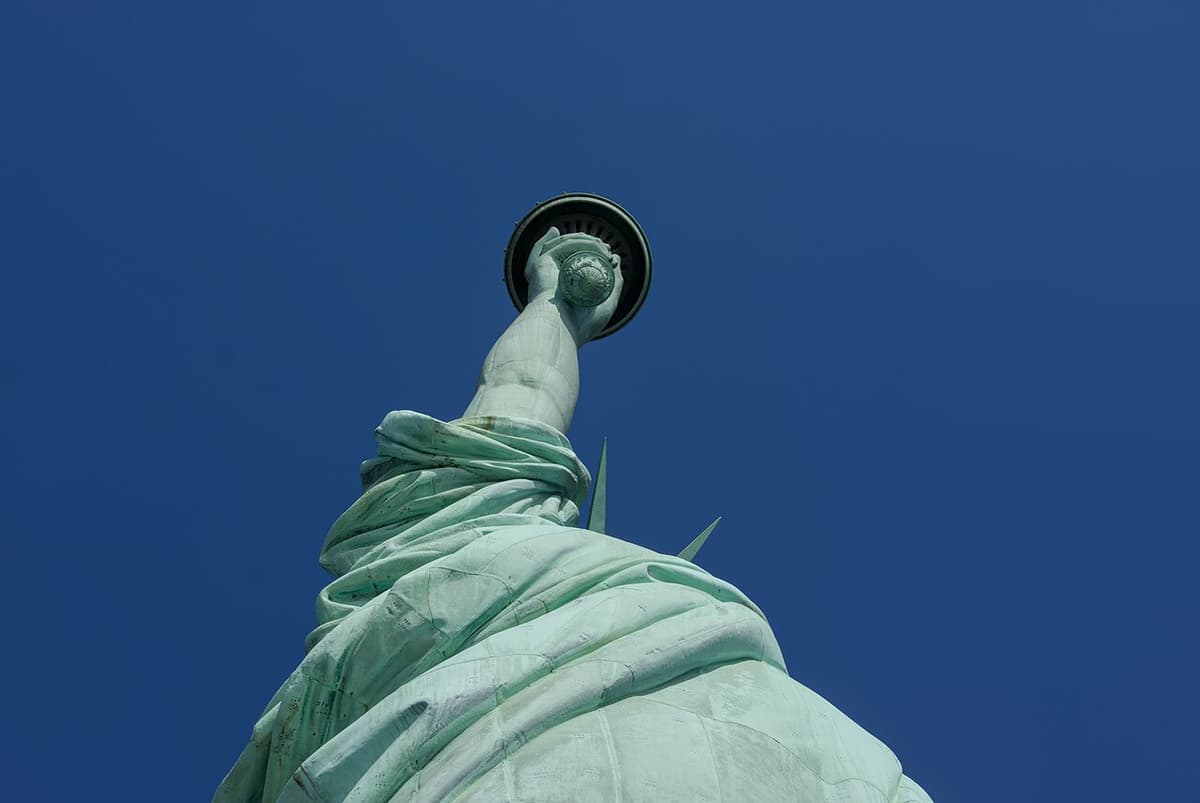
The same statue feels different in winter mist, in summer sun or at sunset.
The big picture: there is no season without visitors
The Statue of Liberty is one of New York's best-known attractions and a national monument managed by the U.S. National Park Service since 1933. It welcomes visitors all year, so no season guarantees calm. What you can do is choose days and hours that are, in general, easier to handle.
Keep in mind that hours, ferry frequency and access change with the season and can be affected by works, weather or events. Always check the National Park Service's official site and the operators' sites before you go.
Spring and fall: a popular balance
Spring and fall are appreciated by many travelers because New York's weather is milder than at the extremes of the year and walking the island is pleasant. That also means these are high-demand seasons, so booking early is wise.
In these seasons the harbor wind can feel cool, especially on the boat, so bring a light layer. If you pick fall, there is a symbolic date: the statue was dedicated on October 28, 1886, a good reason to plan a visit with a historical angle. Read more in History of the Statue of Liberty.
Summer: heat, vacations and bigger crowds
In summer the sun is strong and the city can be hot and humid. It also lines up with school vacations and the arrival of many tourists, so waits and boats tend to be fuller. It is a good time if you travel as a family, as long as you come prepared with water, a hat and sunscreen.
If you go in summer, start early. First thing in the morning it is cooler and, generally, less crowded. To make the most of that window and skip waits, see How to avoid the lines at the Statue of Liberty and, if you travel with children, Statue of Liberty with kids: a family guide.
Winter: colder, clearer views and a slower pace
New York winters are cold and can bring snow, wind and days of poor visibility. In return, many travelers find the island quieter and the air cleaner, with sharp views of Lower Manhattan when the sky is clear. Dress warmly: on the water the cold bites harder.
Boats and access can be disrupted by bad weather, so leave slack in your itinerary and do not save the visit for your last day. Short days also limit the hours of light, worth remembering if you want to take photos.
The best time of day
As a prudent rule, early morning is usually the most comfortable moment: fewer people than at midday, shorter lines and time left to explore the island without rushing, or even to add a second stop. If you want to see everything calmly, try for the first boat or among the first.
Afternoons can be busier and, depending on the season, the time you have before the last boat shrinks. If you want to see the immigrant island too, read Ellis Island: what to see and Liberty Island or Ellis Island: which to pick (or both) to judge how much time you need, and organize the day accordingly.
Holidays, weekends and light for photos
National holidays, long weekends and fine-weather weekends tend to bring more visitors. If you can choose, a weekday is usually easier than a Saturday or Sunday. Before settling on a date, check whether it coincides with an event or celebration in the city.
For photos, morning light and late-afternoon light are usually kinder than midday, with softer shadows. From the boat, sunset traces the statue's outline against the sky. If you do not plan to visit the island, you can still see her from afar on the shore; see Where to see the Statue of Liberty without going to the island.
How to decide your date
Start with what you want to do: if it is only to see the statue from the water, you have more flexibility; if you want to enter the crown or the pedestal, you need to book ahead because spots are limited. That choice often sets your date. For each case, the starting point is How to visit the Statue of Liberty.
Then compare the weather, your time budget and the rest of your trip. A day in Lower Manhattan pairs well with the visit; there is a suggestion in One-day itinerary: Statue, Ellis Island and Lower Manhattan. And remember to keep a spare day in case the weather forces a change of plans.
Tours to help you pick the best time to visit the Statue of Liberty
Many tours offer departures at different times of day, from early morning to the afternoon. Compare start time, length and type of access, and choose the slot that best fits the weather and your pace.

Statue of Liberty & Ellis Island Tour with Reserved Ferry Entry
Check availability
Statue of Liberty and Ellis Island Guided Tour with Ferry
Check availability
Circle Line: New York City Statue of Liberty Super Express Cruise
Check availability
NYC City Tour: Statue of Liberty, 9/11 Memorial, Wall Street
Check availability
Statue of Liberty and New York City Skyline Sightseeing Cruise
Check availability
Statue of Liberty & NYC Skyline Cruise - Freedom Liberty Tour
Check availabilityTour titles and descriptions appear as on the booking platform. No tour guarantees a ticket or a specific experience.
See more tours and activities on GetYourGuide →Frequently asked questions
What is the best season to visit the Statue of Liberty?
It depends on what you prefer: spring and fall tend to be pleasant for the weather; summer brings more heat and more people; winter is cold but sometimes quieter. There is no perfect date, so book ahead.
What time of day is best?
In general, first thing in the morning has fewer people and shorter lines. Midday and afternoon tend to be busier. Check the current ferry schedule, because it changes with the season.
Is it more crowded in summer?
Usually yes: it coincides with vacations and the arrival of many tourists. If you travel in those months, start early, book in advance and bring water, a hat and sunscreen.
Can I visit in winter?
Yes, the monument welcomes visitors all year, but cold, wind or snow can disrupt boats and access. Dress warmly, leave slack and check service status on the day itself.
Is it better to go on a weekday or a weekend?
Weekdays tend to be less crowded than Saturdays and Sundays, and holidays concentrate even more people. If you can choose, pick a working day and the first departure of the morning.
When is the best light for photos?
Soft morning or late-afternoon light usually flatters more than midday sun. With a clear sky the harbor views are sharper. Light also depends on the season, so adjust your timing.
Keep reading

New York helicopter tour over the Statue of Liberty
From the air, the torch sits below eye level and the whole city looks like a scale model.

Statue of Liberty frequently asked questions
One part of the Statue has been closed to the public for over a century, and it is not the crown.

Statue of Liberty pedestal and museum
Under the statue lies a star-shaped fort that hardly anyone notices.

Statue of Liberty with kids: a family guide
To a child the statue is a green giant; the trick is how you tell her story.
Sources
Facts taken from Wikipedia and the U.S. National Park Service (public domain). Always verify practical information on the official websites.
Photo credits
- Polibil, Wikimedia Commons, CC BY-SA 4.0
- Polibil, Wikimedia Commons, CC BY-SA 4.0
- Polibil, Wikimedia Commons, CC BY-SA 4.0