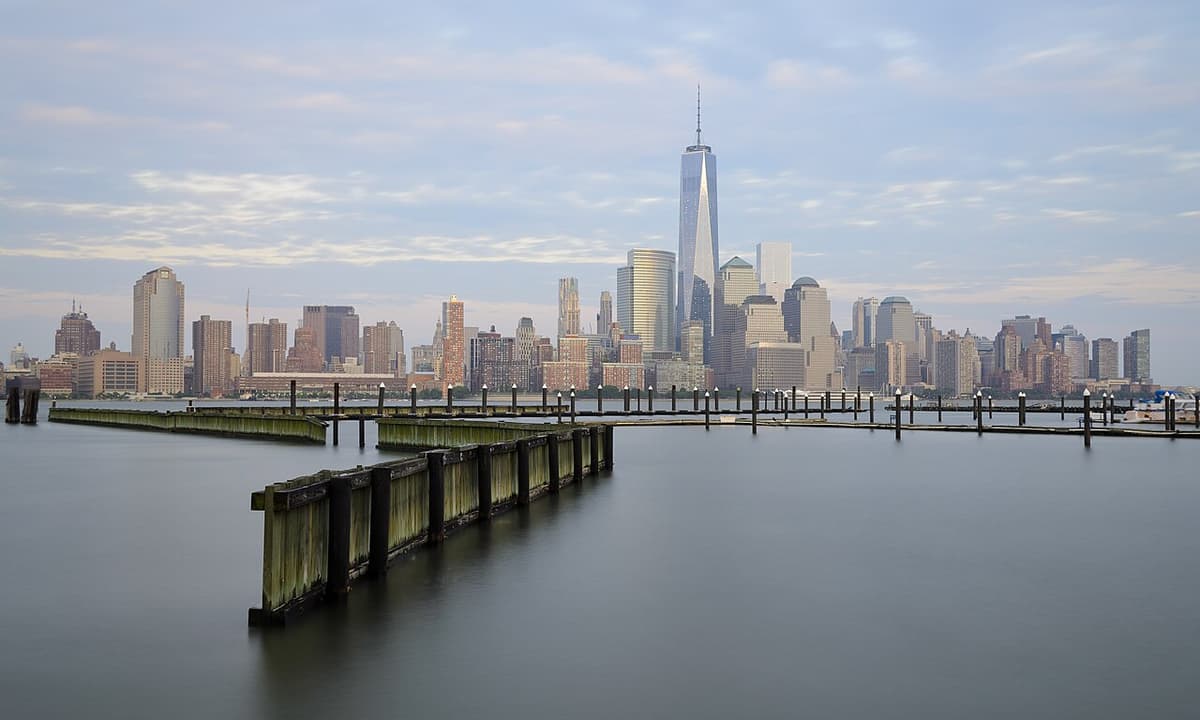
Most of the day is decided at the dock: what you book beforehand sets how much time you have left.
Before you go: what to book
The only things that truly shape the day are the official ferries and the kind of access you want on the Statue's island. If you hope to climb to the pedestal or the crown, spots are limited and booked ahead; see Statue of Liberty crown: how to climb it and Statue of Liberty pedestal and museum for the differences. Tickets, hours, rules and availability change, so check the official U.S. National Park Service site and the operators before you go.
Also pick your departure point: Battery Park in Manhattan or Liberty State Park in New Jersey. For this itinerary Manhattan is easier because you will spend the afternoon in Lower Manhattan. Book the earliest slot your schedule allows, since a two-island trip takes time and security screening adds minutes before boarding.
Early morning: Battery Park and Castle Clinton
Reach the park with a cushion before your ferry. This area holds the boat terminals and Castle Clinton, a fort that in the mid-19th century became an immigration and customs center and later, from 1896 to 1941, housed the city's aquarium. In other words, new arrivals were already passing through here before Ellis Island existed.
Use this time to find the dock, clear security and spot the Statue on the horizon. Do not linger too long: the goal is to board calmly. For more on the neighborhood, read Castle Clinton and Battery Park: the gateway to the Statue.
Liberty Island: the first big block
The ferry crosses the harbor to the Statue's island. According to the sources, the island is federally owned and run by the National Park Service. It is also home to the Statue of Liberty Museum, opened in 2019, which displays the original torch the figure carried from 1886 to 1984.
As a rule of thumb, count one to three hours depending on whether you just stroll and take photos or add the museum and pedestal access. This is the most variable stretch of the day, so do not overload it. To understand what you are looking at, read History of the Statue of Liberty first and pick up a few oddities from Statue of Liberty facts and curiosities.
Whatever you choose, keep an eye on the clock without letting it spoil the visit. Boats run on schedules, so know roughly when you want to leave the island and plan the walk back to the dock accordingly.
Ellis Island: millions of arrivals
From Liberty Island, the same service usually continues to Ellis Island, which according to the sources processed about 12 million immigrants between 1892 and 1954. The main building is now a national museum of immigration, reopened in 1990 after a full restoration.
Set aside another block of one to three hours. If time is tight, prioritize the main building and its galleries; if your family tree interests you, see How to find your ancestors who arrived through Ellis Island. And if you are weighing how to split the day, Liberty Island or Ellis Island: which to pick (or both) helps you decide how long each island deserves. Access to the island's south side, including the old hospital, is through guided tours that may require booking.
Think of Ellis Island as the emotional counterpart to the Statue: one is a symbol seen from the water, the other is the place where individual stories, queues and paperwork happened. Visiting both in sequence gives the day a natural arc, from the image of welcome to the reality of arrival.

Afternoon: Lower Manhattan on foot
Back on the mainland, the financial district is a few minutes away. According to the sources, Wall Street takes its name from a wall built in the 17th century; the street is home to the New York Stock Exchange building and Federal Hall, where George Washington took the oath as the first president in 1789.
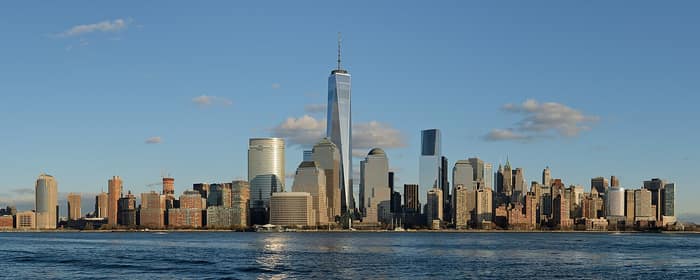
An easy walk of one to two hours lets you see the area without rushing. Near the Trinity churchyard, Alexander Hamilton, the first Treasury secretary, is buried, the sources note. If you still have energy, return to the waterfront for sunset and the skyline over the harbor.
Plan B for rain or low energy
Rain mostly affects decks and open areas. In bad weather, prioritize covered spaces: the Ellis Island museum, the Statue museum and, later, indoor stops in Lower Manhattan. Bring a light waterproof layer and comfortable shoes, since the day involves a lot of walking and waiting outdoors.
If fog or wind complicates things, check the ferry status and consider moving the visit to another day. Another option is to save Ellis Island for next time and stay on Liberty Island only. For seasons and hours, see Best time to visit the Statue of Liberty.
How to adjust the plan
If you travel with children, trim the Ellis Island block and add breaks; there are ideas in Statue of Liberty with kids: a family guide. If you want to avoid lines, review How to avoid the lines at the Statue of Liberty. And if you only want a good view without setting foot on the islands, the Staten Island Ferry is a different option, which we cover in another guide.
Remember that no duration is exact: it depends on the season, the crowds and your group's pace. Always leave a buffer between stretches and do not book activities right up against the last ferry.
One last idea: if you are torn between adding another stop and resting, choose rest. This is a day of ferries, lines and walking, and what people remember best is usually what they enjoyed without rushing. Bring water, a spare phone battery and a light layer, because wind on the harbor can feel cool even on a sunny day.
Tours to build your day around
There are cruises with island stops, guided visits and reserved access. Look at the duration, which stops each includes and whether it leaves you free time to finish the afternoon on your own.

Statue of Liberty & Ellis Island Tour with Reserved Ferry Entry
Check availability
Statue of Liberty and Ellis Island Guided Tour with Ferry
Check availability
NYC City Tour: Statue of Liberty, 9/11 Memorial, Wall Street
Check availability
Private Statue of Liberty and Ellis Island Tour
Check availability
Statue of Liberty and New York City Skyline Sightseeing Cruise
Check availability
Manhattan Neighborhood Private Customized Walking Tour
Check availabilityTour titles and descriptions appear as on the booking platform. No tour guarantees a ticket or a specific experience.
See more tours and activities on GetYourGuide →Frequently asked questions
Can you see the Statue and Ellis Island in one day?
Yes, it is a common plan. The same ferry service usually links both islands, and you can spend the rest of the day in Lower Manhattan. Start early and book ahead, because each island can take between one and three hours.
Where should the day start?
At Battery Park in Lower Manhattan: the ferry terminals are there, and it is the easiest base for the afternoon visits. Arrive with time to clear security.
What should I book before traveling?
Mainly the ferry and, if you want it, pedestal or crown access, which have limited spots. Requirements and availability change, so check the official national park and operator sites.
How long do I need on each island?
As a guide, between one and three hours on each, depending on the museum and access you choose. Allow for boarding waits and screening, which can stretch the total considerably.
What if it rains?
Prioritize covered spaces such as the museums on both islands, and bring a rain layer. If conditions make sailing difficult, check service status and consider moving the visit to another day.
What is there to see in Lower Manhattan in the afternoon?
Wall Street, with the Stock Exchange building and Federal Hall, and the Trinity area. It is a short walk mixing colonial history and finance, easy to do on foot after the ferry.
Is this a tiring day?
It can be: it means walking, waiting and being outdoors. If you travel with children or have low energy, cut it down to one island or save Lower Manhattan for another time.
Keep reading

Castle Clinton and Battery Park: the gateway to the Statue
Long before Ellis Island, millions of newcomers first set foot in America on this very spot.

Governors Island: the quiet island off Manhattan
An island that served as a military post for nearly two centuries is now New York's backyard.

What to see near the Statue of Liberty in Lower Manhattan
Five stops on foot that span centuries of New York, from the ferry dock to a bridge opened in 1883.

Ferries and boats to the Statue of Liberty: which to choose
Two boats can pass the Statue, and only one lets you step off.
Sources
Facts taken from Wikipedia and the U.S. National Park Service (public domain). Always verify practical information on the official websites.
Photo credits
- King of Hearts, Wikimedia Commons, CC BY-SA 3.0
- King of Hearts, Wikimedia Commons, CC BY-SA 3.0
- King of Hearts, Wikimedia Commons, CC BY-SA 3.0